Cleaning your car’s engine bay is essential for maintenance, but it requires care and knowledge. While DIY methods can help, professional cleaning is recommended periodically to ensure thorough maintenance and avoid engine aging issues. Just like washing the exterior, a clean engine bay is not just about appearance; it’s about protecting your car’s vital components.
How to Clean Your Car Engine Bay Safely
After driving for a while, your car’s engine bay needs cleaning. However, the engine and other large components have complex structures, making it risky to clean them yourself. Many people are unsure about the best cleaning methods. While professional shops can be expensive, understanding some basics can help you maintain your engine bay. Here are three methods summarized by SGCB:
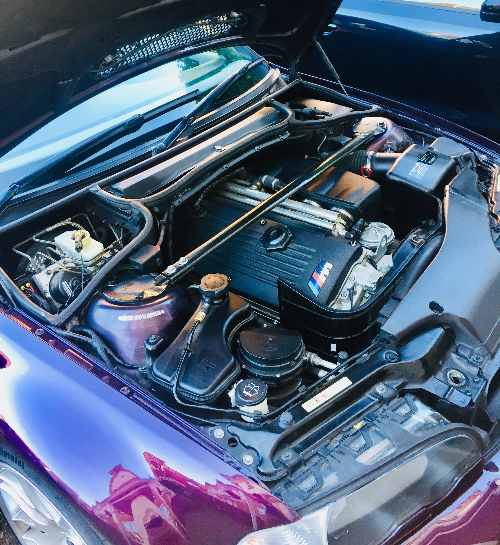
Method 1: Professional Cleaning with Specialized Tools
-
Blow Off Dust: Use an air blow gun to remove surface dust from the engine bay. This is a simple and effective first step.
-
Use Engine Cleaner: Apply a specialized engine cleaning fluid at the recommended dilution rate. Use a high-efficiency cleaning gun (not a regular high-pressure water gun) to clean the engine bay. This tool ionizes tap water into fine droplets, providing better cleaning results while avoiding oxidation and water ingress.
-
Dry and Clean: After cleaning, dry the engine bay with a towel or flannel. For stubborn areas, use other spray cleaners. Finally, air-dry the engine bay to ensure no moisture remains.
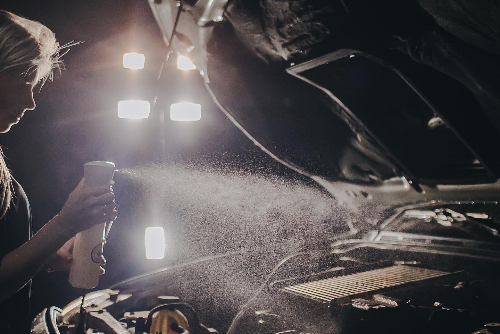
Method 2: Manual Cleaning with Protective Measures
-
Protect Sensitive Areas: Cover the front windshield, fenders, and grille with large towels to protect the paint and prevent scratches. This also shields the air intake and other components from water and dirt.
-
Wipe with a Damp Cloth: Carefully wipe the engine bay with a damp cloth, ensuring the rag is clean to avoid spreading dirt. Clean the engine cover separately with detergent and dry it after washing.
-
Detail Cleaning: Pay attention to details, such as spark plugs and wiring, to avoid scratches. After cleaning, run the engine to evaporate any remaining moisture.

Method 3: Water Gun Cleaning
-
Rinse Gently: Use a water gun to spray the engine bay, focusing on removing dust and dirt. Avoid direct high-pressure water on sensitive components.
-
Clean Air Vents and Radiator: Use a flannel to clean the air vents under the windshield and the radiator, removing debris like leaves and dust.
-
High-Pressure Cleaning: Use a high-pressure gun to clean the fenders and drain holes inside the engine bay. Remove leaves and dirt from hidden areas.
-
Dry Thoroughly: Use an air blow gun to remove moisture from spark plugs and other components. Dry all parts of the engine bay with a towel or flannel to prevent rust.
Important Precautions
-
Complex Structure: The engine bay has many delicate components. Be cautious when cleaning to avoid damaging electrical parts.
-
Waterproofing: Protect sensitive areas like the battery, engine, air filter, and spark plugs. Avoid using high-pressure water guns directly on these parts to prevent short circuits.
-
Electronic Components: Modern cars have electronic fuel injection systems with computers and sensors. Water contact can cause short circuits and damage. Always dry components immediately if they get wet.
Conclusion
Cleaning your car’s engine bay is essential for maintenance, but it requires care and knowledge. While DIY methods can help, professional cleaning is recommended periodically to ensure thorough maintenance and avoid engine aging issues. Just like washing the exterior, a clean engine bay is not just about appearance; it’s about protecting your car’s vital components.
